The practiceAbout
AriyaGallege
Architecture, observed by hand.
Architectural pencil drawing studio — hand-rendered perspectives, elevations, and conceptual studies since 2010.
Colombo, Sri Lanka
The story
An exploration of light, proportion & material.
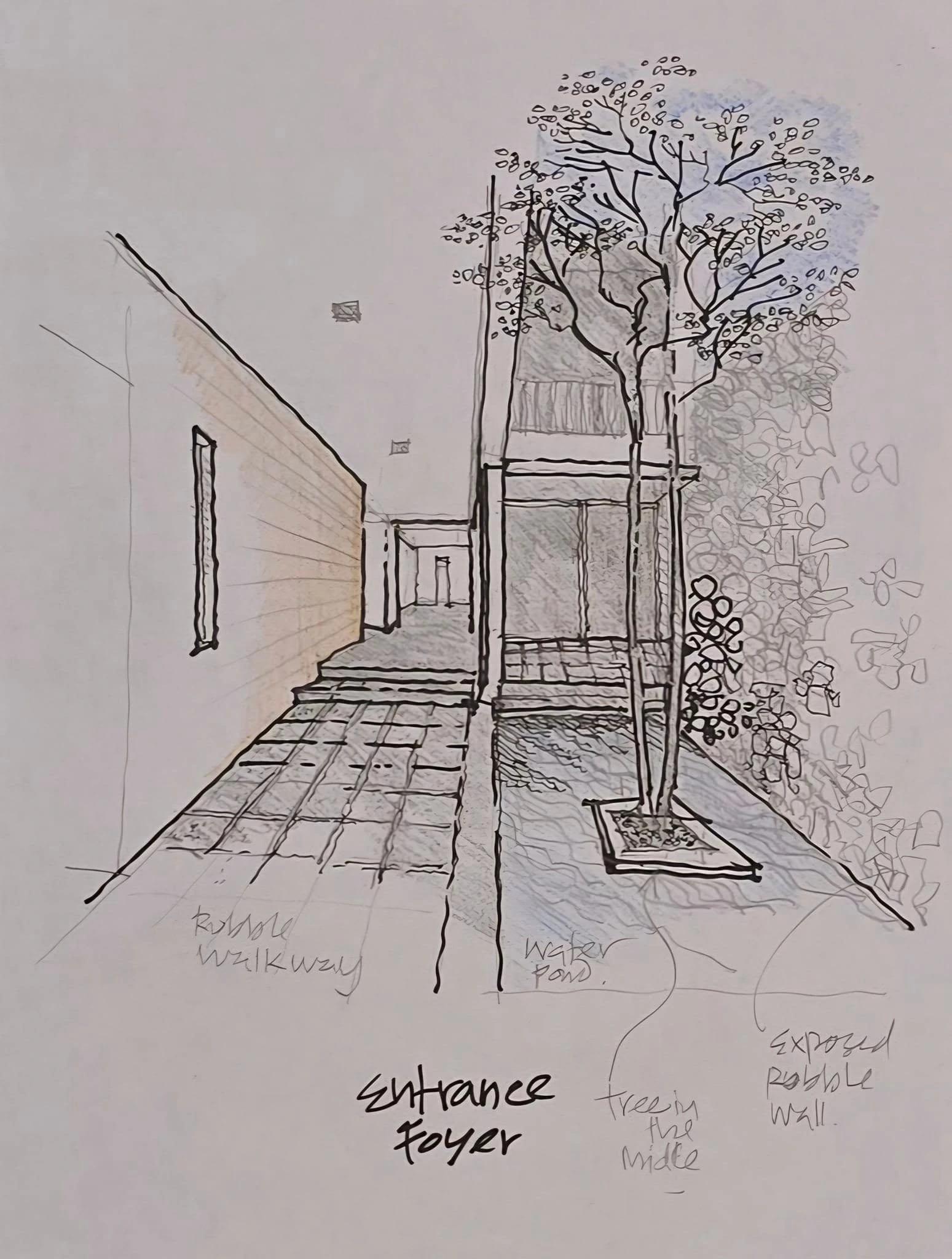
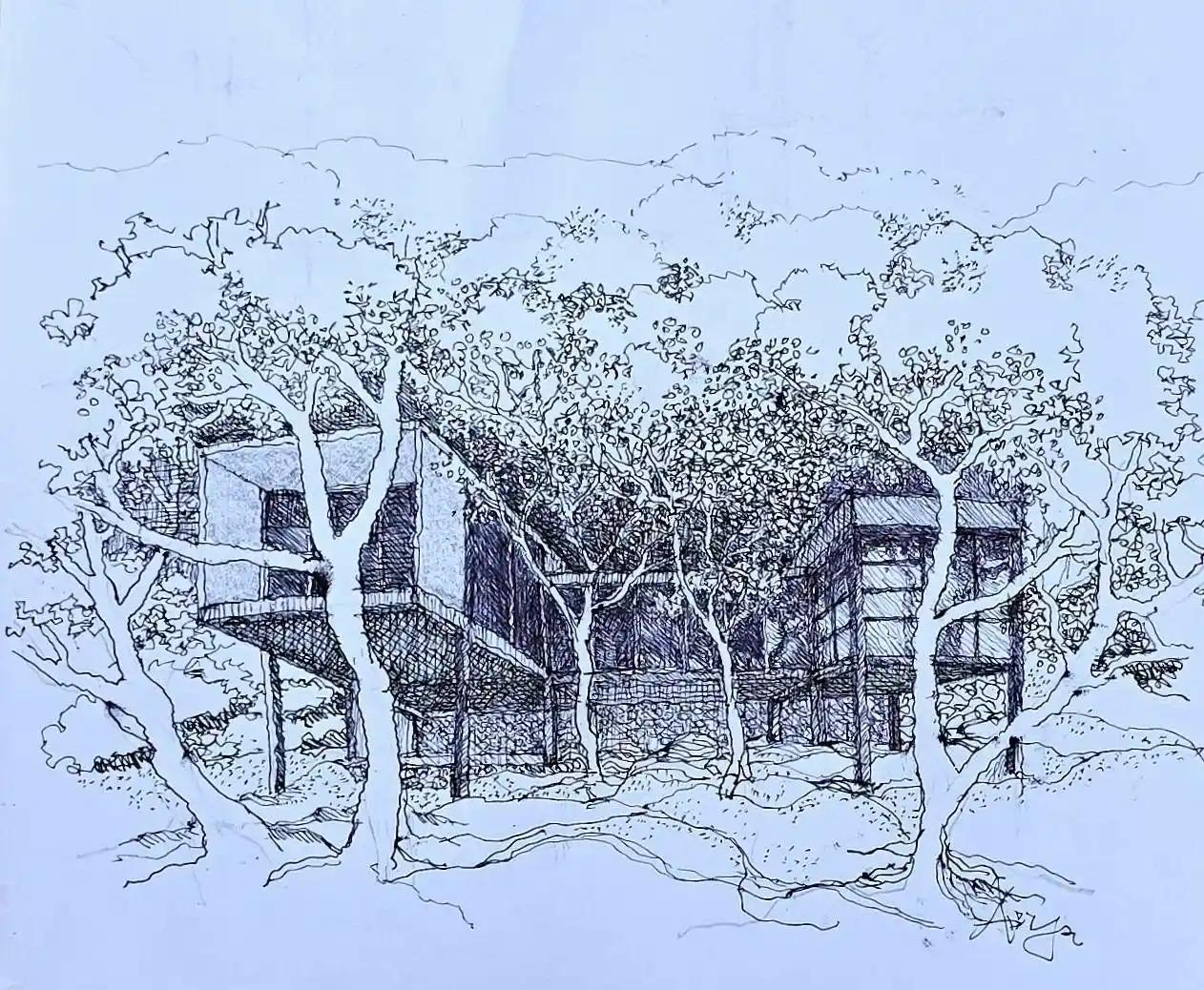
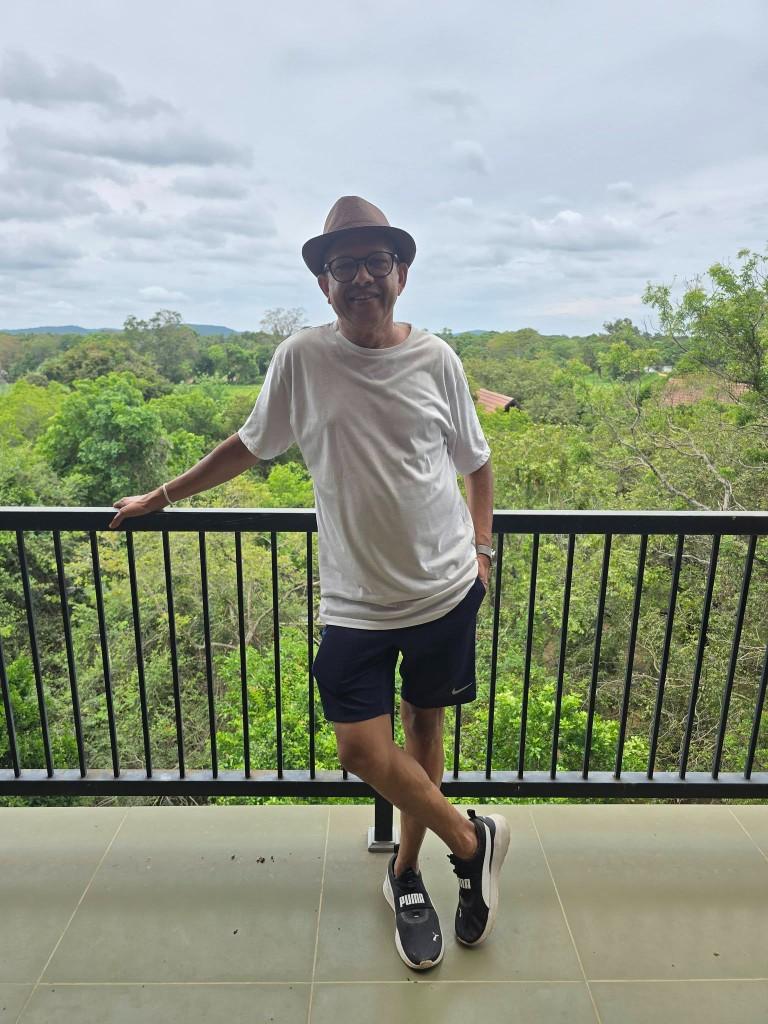
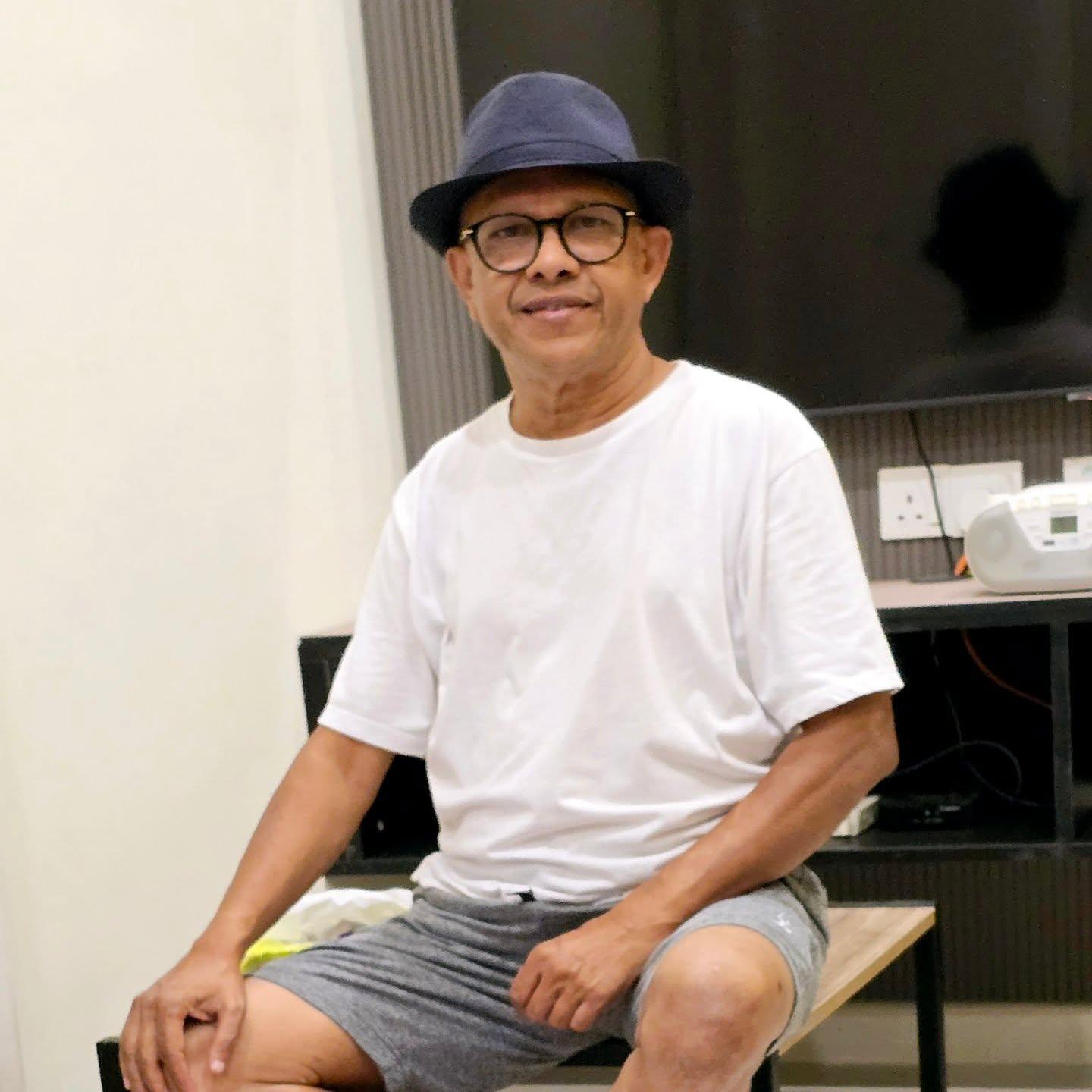
Ariya Gallege is an architectural pencil drawing artist based in Sri Lanka, working at the intersection of technical precision and atmospheric rendering.
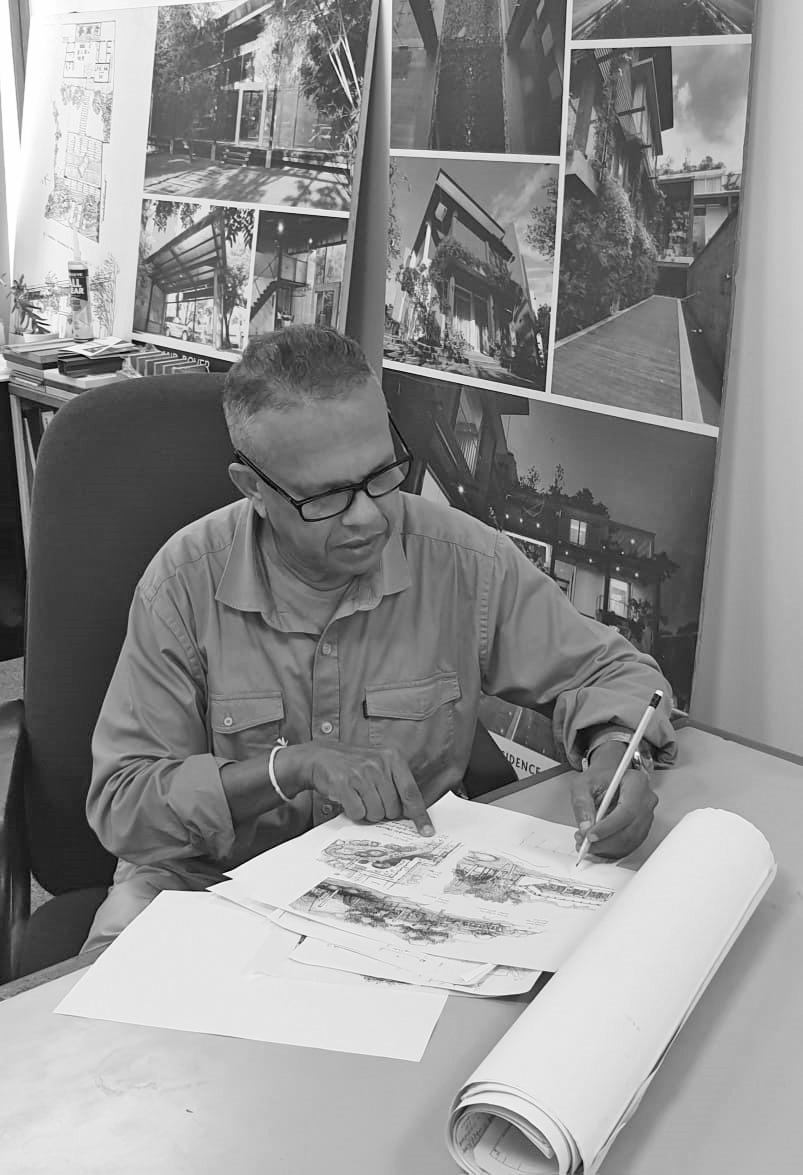
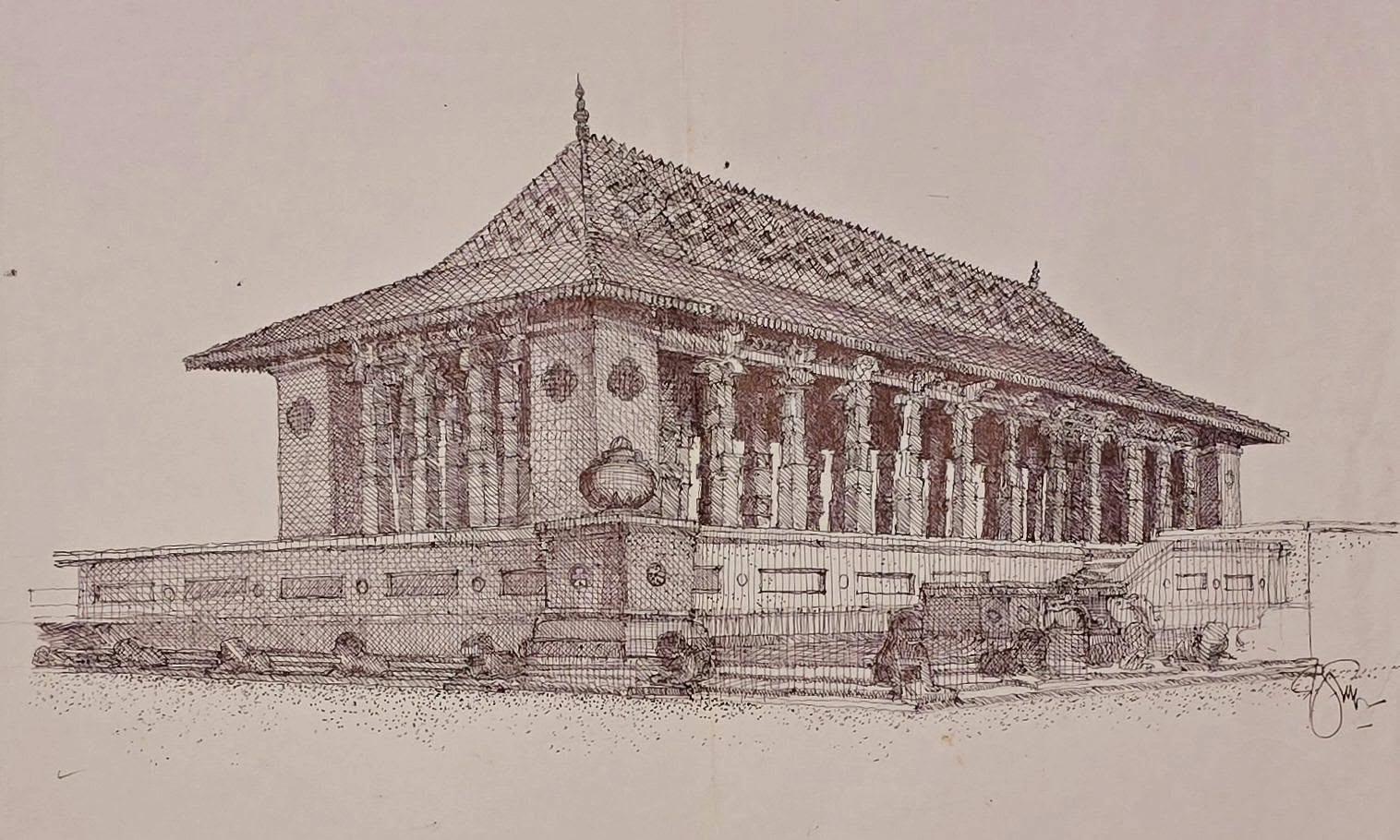
Each drawing begins with on-site observation — tracing light, proportion, and material before returning to the studio for layered graphite work on cotton paper.
The practice collaborates with architects, developers, and cultural institutions worldwide, producing perspectives, elevations, and conceptual studies.
Colombo, Sri Lanka
Location
Architectural Drawing
Discipline
Graphite on cotton paper
Medium
The journey
A practice in progress.
A selection of key moments in the studio’s journey, from the first commission to exhibitions and ongoing studies.
2010
Studio Founded
Opened independent drawing practice in Sri Lanka — first commission: a private library study for a coastal residence.
2014
First Exhibition
Galerie Linie, Zurich. Twenty-two drawings on cotton paper; three works acquired on opening night.
2018
Urban Studies Series
Began documenting European waterfront districts in pencil — light, proportion, and material recorded on site.
2022
Gallery Exhibition
Solo show of architectural drawings; residential perspectives and hand-rendered elevations.
2024
Conceptual Pavilion
Published Floating Pavilion study — awarded by ArchDrawing Forum for conceptual architectural drawing.
The drawing instrument
Every line beginswith observation.
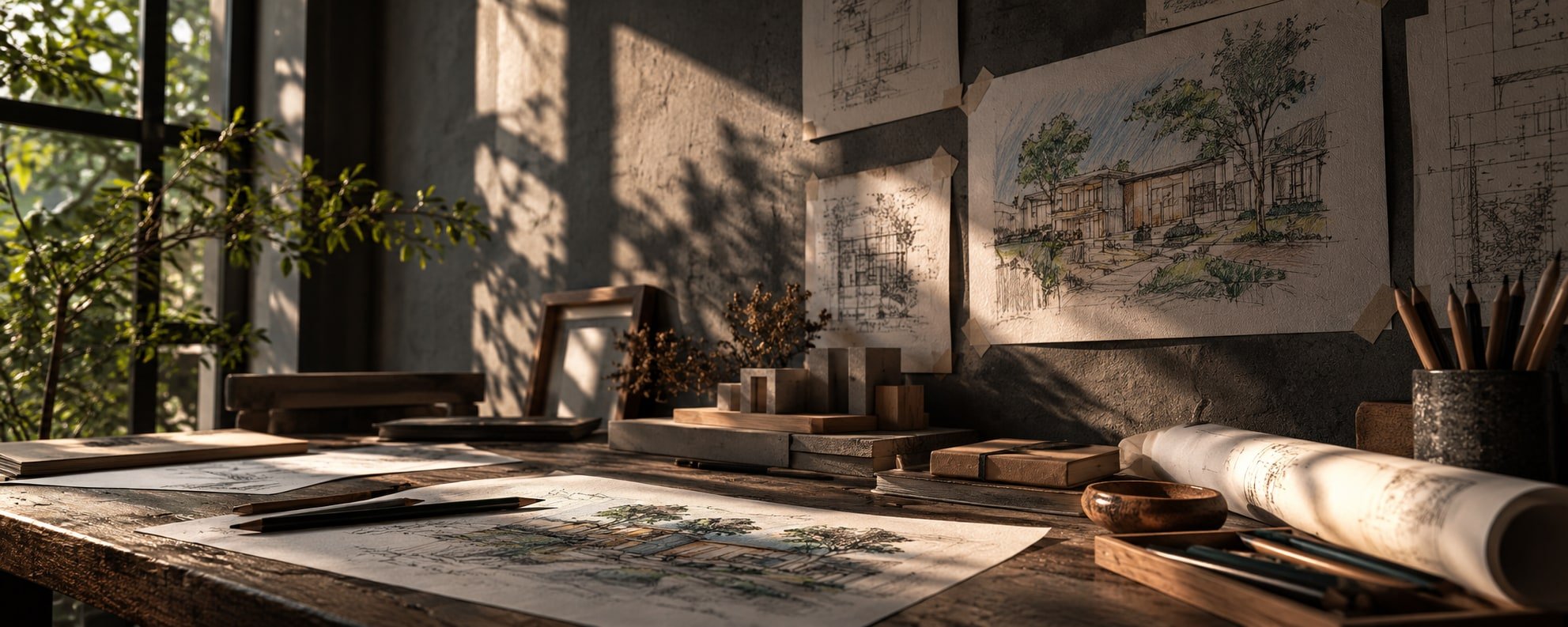
Every line is drawn by hand with graphite on cotton paper — no digital shortcuts, no filters. The pencil remains the most honest tool for seeing architecture.